

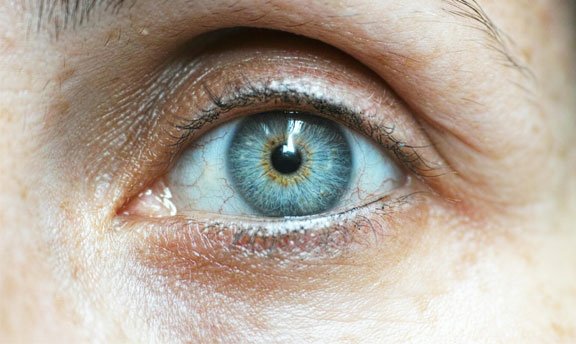
You’ve tried the cucumber slices. You’ve stocked up on concealer. You’ve slept eight hours and still woke up looking exhausted. If under-eye circles are a stubborn part of your mornings, you’re not alone — and you’re not imagining things. Dark circles are one of the most common cosmetic concerns I hear from patients at Advanced Dermatology, and they’re also one of the most misunderstood.
The truth is, there is no single cause — and that’s exactly why there’s no single fix. Getting real results means understanding what’s actually happening under your eyes.
Why the Under-Eye Area Is So Vulnerable
The skin beneath your eyes is among the thinnest on your entire body — roughly 0.5mm compared to 2mm on most of your face. It has fewer oil glands, less collagen support, and sits directly over a network of blood vessels and, in some people, hollow spaces called tear troughs. Any change in circulation, pigmentation, volume, or skin quality shows up here first and most visibly.
The Real Causes of Dark Circles
1. Vascular (Blood Vessel) Visibility
For many people, especially those with fair or thin skin, dark circles have a bluish or purplish hue. This comes from blood vessels showing through the delicate under-eye skin. Lack of sleep, allergies, alcohol, and even just looking down at your phone for hours can cause blood to pool in these vessels, making circles look worse.
What helps: Improving sleep quality, reducing alcohol intake, treating underlying allergies, and — when appropriate — laser treatments that target blood vessels near the surface.
2. Hyperpigmentation
In patients with medium to deeper skin tones, dark circles are often the result of excess melanin — the pigment that gives skin its color. This can be genetic, triggered by sun exposure, inflammation from rubbing the eyes (a common habit in allergy sufferers), or post-inflammatory changes from eczema or dermatitis around the eye area.
What helps: Broad-spectrum sun protection every single day is helpful. But most effective is a prescription hydroquinone cream. Also topical ingredients like vitamin C, kojic acid, niacinamide, and azelaic acid can gradually brighten pigmentation. For more significant cases, professional treatments such as chemical peels or targeted laser therapy may be recommended.
3. Volume Loss and Hollow Tear Troughs
As we age — often beginning as early as our late twenties — we lose fat and bone density in the mid-face. This creates a hollow or shadowed area beneath the eye, giving the appearance of darkness even when there’s no pigment change at all. The shadow is structural, not a stain.
What helps: In some situations, dermal fillers placed carefully along the tear trough can restore volume and dramatically reduce the shadowed appearance.
4. Skin Laxity and Textural Changes
Sun damage and the natural aging process cause collagen and elastin to break down, making the under-eye skin crepey and loose. Fine lines and laxity cast their own subtle shadows and make the area look darker overall.
What helps: Retinoids (vitamin A derivatives) are among the most evidence-backed ingredients for stimulating collagen and improving skin texture. We recommend starting with a gentle formulation around the eyes, as this skin is sensitive. In-office treatments like our CO2 Laser Resurfacing, microneedling, or VibraDermabrasion can also tighten and improve skin quality over time.
5. Genetics
Sometimes, dark circles simply run in the family. Patients often tell me their mother or grandmother had the same circles, even as young adults. Genetic factors influence everything from skin thickness to pigment distribution to facial bone structure — all of which contribute to how dark circles appear.
What helps: While you can’t change your genetics, you can minimize the appearance with the right targeted treatments. Understanding your specific cause is the first step.
6. Lifestyle and Environmental Factors
Poor sleep, chronic stress, dehydration, smoking, and seasonal allergies all make dark circles look worse. These factors increase inflammation, impair circulation, and cause the skin to look dull and puffy — the perfect storm for under-eye shadows.
What helps: These may seem like simple fixes, but they matter enormously. Treating nasal allergies (even with a saline rinse or antihistamine) can make a noticeable difference for patients whose circles stem from congestion and chronic eye rubbing.
What Doesn’t Work — and Why
Before spending money on promises, it’s worth knowing what the evidence doesn’t support:
- Eye creams alone — Most drugstore eye creams are too superficial to address vascular, structural, or deeply pigmented dark circles. A good moisturizer reduces puffiness and improves skin texture, but it won’t fill a hollow or erase a blood vessel.
- Cucumber slices and cold spoons — These temporarily reduce puffiness by constricting blood vessels with cold, but the effect is fleeting, not corrective.
- “Natural” brightening remedies — Lemon juice, DIY potato masks, and similar home remedies are more likely to irritate sensitive eye-area skin than produce meaningful results.
What We Recommend at Advanced Dermatology
At our practice, we believe in a personalized approach — because treating dark circles effectively means first figuring out your cause. There is no one-size-fits-all solution.
During a consultation, Dr. Cohn evaluates the specific factors contributing to each patient’s dark circles — whether vascular, pigmentary, structural, or a combination — and designs a treatment plan accordingly. This may include:
- Medical-grade topical regimens (vitamin C, retinoids, niacinamide, sunscreen)
- Allergy evaluation and management
- Restylane, Juvederm & Juvederm Voluma for tear trough volume restoration
- Laser treatments (Photorejuvenation, Vein and Vascular Laser, CO2 Laser Resurfacing)
- Microneedling or VibraDermabrasion for skin tightening and texture
- Chemical peels for surface pigmentation
We also offer guidance on realistic expectations — some approaches take weeks to months to show results, while others (like fillers) offer more immediate improvement.
The Right Treatment Starts With the Right Diagnosis
Under-eye circles are rarely a sign that something is medically wrong, but they can significantly affect how rested and confident you feel. The good news is that most causes are treatable — sometimes with simple adjustments, and sometimes with a more targeted clinical approach.
If dark circles have been bothering you and nothing has worked, it may simply be because the root cause hasn’t been identified yet. That’s exactly where we come in. Schedule an appointment at our Twinsburg, Ohio office today or call us at 330.425.7600 — and let’s figure out what’s really going on.

