

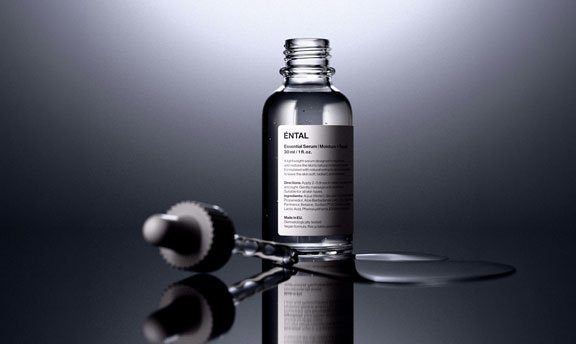
You’re standing in the skincare aisle — or scrolling through endless product pages — and you flip a bottle over to check the ingredients. Suddenly, you’re staring at a wall of unpronounceable chemical names and wondering: Does any of this actually matter?
The answer is yes — and once you know what to look for, the ingredient list becomes one of the most powerful tools you have for choosing skincare that truly works.
Here’s what Dr. Monique S. Cohn wants you to know about decoding skincare labels.
Ingredients Are Listed in Order of Concentration
According to FDA cosmetic labeling guidelines, ingredients must be listed in descending order by concentration — meaning the first ingredient makes up the largest percentage of the formula, and the last makes up the smallest.
What this means for you:
- The first 5–7 ingredients form the backbone of the product and have the most impact on your skin.
- Ingredients appearing after 1% (usually the bottom third of the list) are present in tiny amounts — which includes most preservatives, fragrances, and many “hero” active ingredients.
- A trendy ingredient buried at the very end may be more of a marketing claim than a meaningful dose.
Key Ingredients to Look For (by Skin Concern)
For Anti-Aging & Fine Lines
- Retinol / Retinoids — Increase cell turnover and stimulate collagen production. The gold standard in anti-aging.
- Peptides — Signal the skin to produce more collagen; gentle enough for sensitive skin.
- Vitamin C (L-Ascorbic Acid) — Brightens, protects against free radical damage, and supports collagen synthesis.
For Hydration & Moisture Barrier
- Hyaluronic Acid — A humectant that draws moisture into the skin. Works best when applied to damp skin.
- Ceramides — Lipids that restore and strengthen the skin barrier. Ideal for dry or eczema-prone skin.
- Glycerin — A gentle, effective humectant found in nearly all well-formulated moisturizers.
For Acne-Prone Skin
- Salicylic Acid (BHA) — Penetrates pores to dissolve oil and dead skin cells. Great for blackheads and whiteheads.
- Benzoyl Peroxide — Kills acne-causing bacteria. Most effective at 2.5%–5% concentrations.
- Niacinamide — Reduces inflammation, minimizes pores, and regulates oil production without irritation.
Ingredients to Watch Out For
Not every ingredient is right for every person. Here are some to be mindful of:
- Fragrance (“Parfum”) — One of the most common causes of contact dermatitis and irritation. Avoid if you have sensitive or reactive skin.
- Alcohol Denat. (Denatured Alcohol) — When listed high up, it can strip the skin’s natural moisture barrier over time.
- Parabens — A preservative class some prefer to avoid; look for methylparaben or propylparaben in the list.
- Essential Oils (Tea Tree, Lavender, Peppermint) — Natural doesn’t always mean gentle. These can be irritating or photosensitizing for many skin types.
“Natural” and “Clean” Labels Don’t Mean What You Think
The terms “natural,” “clean,” “non-toxic,” and “green” are not regulated by the FDA. They are marketing terms — and they don’t guarantee a product is safer, more effective, or better for sensitive skin.
Many synthetic ingredients are rigorously tested and perfectly safe, while some “natural” plant extracts are among the most common allergens in skincare. Always look at the actual ingredient list rather than the front-of-label claims.
Concentration Matters — Not Just Presence
Seeing retinol or vitamin C on a label doesn’t tell you if the product contains a clinically effective dose. For key actives, look for:
- Retinol: 0.025%–1% (higher concentrations require a prescription)
- Vitamin C (L-Ascorbic Acid): 10%–20% for visible brightening results
- Niacinamide: 5%–10% for pore-minimizing and anti-inflammatory effects
- Salicylic Acid: 0.5%–2% for exfoliation and acne treatment
Many brands are now transparent about concentrations — which is a great sign of a quality product.
The Bottom Line: What to Look for at a Glance
- Check the first 5 ingredients — these make up the majority of the formula.
- Look for your targeted actives in the top half of the list.
- Avoid known irritants if you have sensitive or reactive skin.
- Don’t be swayed by “natural” or “clean” marketing — read the actual list.
- When in doubt, ask your dermatologist — product selection should be tailored to your unique skin type and concerns.
Still unsure which ingredients are right for your skin?
Every person’s skin is different, and what works for one person may not work for another. Our team can help you build a personalized skincare routine backed by clinical expertise. Book a consultation today to get recommendations tailored to your skin.

