

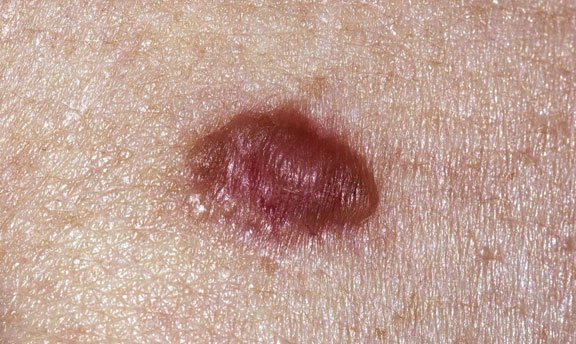
Basal cell carcinoma (BCC) is the most common type of skin cancer, often appearing as a raised, pearly bump or a flat, scaly patch. While it’s typically slow-growing and rarely spreads to other parts of the body, recent studies have shed light on a concerning correlation: individuals who develop multiple cases of BCC may be at significantly elevated risk for developing other types of cancer.
As a dermatologist, I’ve seen firsthand the impact that skin cancer can have on patients’ lives. While BCC is generally treatable, the discovery of this link has prompted further research into the underlying factors and potential implications.
What Does the Research Show?
Several studies have demonstrated a strong association between frequent BCC occurrences and an increased risk of other cancers, including:
- Melanoma: This is the most dangerous type of skin cancer, capable of spreading to other organs.
- Pancreatic cancer: A particularly aggressive form of cancer that often has a poor prognosis.
- Lung cancer: A leading cause of cancer-related deaths worldwide.
- Other cancers: Studies have also found links to prostate cancer, colorectal cancer, and certain blood cancers.
Why is This Happening?
While the exact mechanisms behind this association are still being investigated, several theories have been proposed:
- Shared risk factors: Both BCC and other cancers can be influenced by similar factors, such as genetics, lifestyle choices (e.g., smoking, excessive sun exposure), and immune system function.
- Genetic predisposition: Individuals with a genetic predisposition to skin cancer may also be more susceptible to developing other cancers.
- Immune system dysfunction: Frequent BCC occurrences may indicate underlying immune system issues that could increase the risk of other cancers.
What Can You Do?
If you have a history of BCC or any other skin cancer, it’s crucial to:
- See your dermatologist regularly: Regular skin exams can help detect and treat skin cancers early, reducing the risk of complications.
- Protect your skin: Wear sunscreen with a broad-spectrum SPF of 30 or higher, seek shade during peak sun hours, and avoid tanning beds.
- Know the signs of skin cancer: Be aware of the ABCDEs of melanoma: Asymmetry, Border irregularity, Color variation, Diameter greater than 6 mm, and Evolving (changing) characteristics.
- Maintain a healthy lifestyle: A balanced diet, regular exercise, and avoiding smoking can help reduce your overall risk of cancer.
By understanding the link between BCC and other cancers, we can take proactive steps to protect our health and reduce our risk of developing these serious conditions. If you have any concerns about issues with your skin, or notice any unusual warning signs, schedule an appointment at Advanced Dermatology & Cosmetic Surgery Center or by calling 330-425-7600.

